
TOURING NORTH AMERICA, UK & IRELAND
FEBRUARY THROUGH APRIL 2027
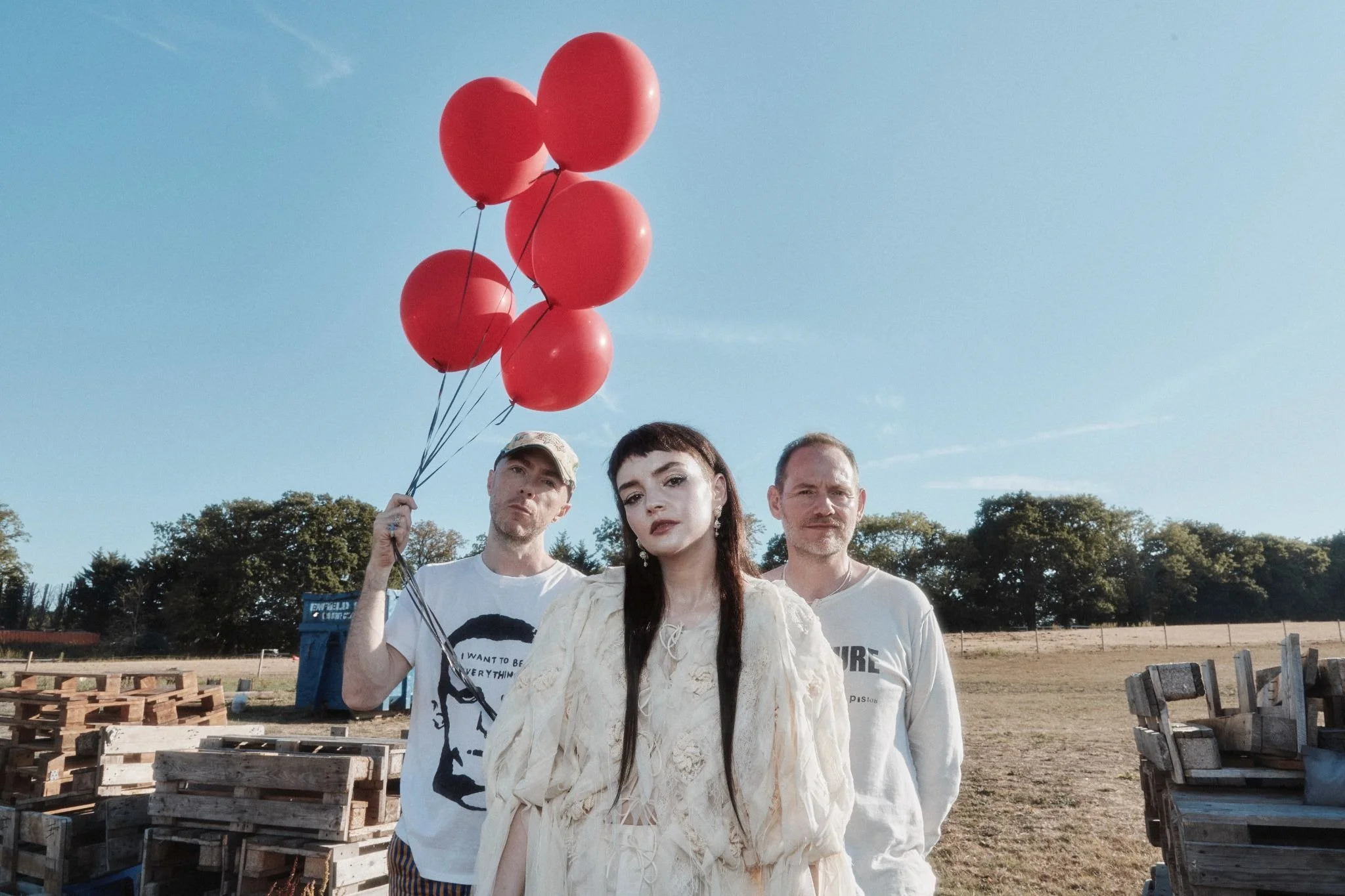
Photo credit: Jody Evans
CHVRCHES announce their eagerly anticipated new album All The King’s Men alongside an extensive run of shows across North America, the UK and Ireland starting in February. All The King’s Men, their first album in almost six years, is due for release on 22 January 2027 in LP, CD, cassette and digital formats via Futures Music Group.
Pre-order / pre-save All The King’s Men
The band - Lauren Mayberry, Iain Cook and Martin Doherty - took their pause in 2023 after touring their fourth UK Top 10 album Screen Violence, with all agreed that when they returned, their next chapter had to challenge and excite them. The result isAll The King’s Men, a self-consciously British freewheeling collection of 11 tracks of vividly emotional indie rock that fans won’t expect, and neither did they.
In the intervening years all three members were consciously and unconsciously absorbing material for their return. On his frequent trips back to Scotland to spend time with his mother, Doherty had reconnected with gritty British cinema by auteurs like Shane Meadows and Ken Loach - not incidentally the ones who stare down the barrel of the UK’s worst social issues - and UK artists like Massive Attack, Souxsie & The Banshees, and PJ Harvey. Meanwhile, Mayberry had done her 10,000 hours of sessions and leveled up as a lyricist, and came looking to make music that showcases a fresh storytelling quality and vocal range, and Cook - still living in the band’s Scotland home base - had started to reject electronics in favour of writing with acoustic instruments, and was listening to Nick Drake, Bert Jansch and Incredible String Band.
With none of them approaching creation in the same way, they eschewed the remote working of Screen Violence to meet for multiple, intense three-week stints in Glasgow. They knew recording in-person and in Scotland was exactly the environment necessary for experimentation on this record.
A first taste came last month in the form of ‘Roses’ - a scathing piece of contemporary social commentary, a confrontation with the darker undercurrents of Britain, with Mayberry snarling, “raise a glass to delusions of the good days of blood and wine; of pearls for swine.” The song’s Orwellian closing announcement, “If I may command your undivided attention, now we can start,” set the stage for what is to come with All The King’s Men.
Through one lens All The King’s Men is a compulsive exploration of British and Scottish culture through the unique viewpoint of this specific band. After years now spent in America, with all its large newness as a country, Doherty and Mayberry connected with a sense of the UK’s history as “old and real” even when it’s ugly. Whether it’s smashing through expectations with playful 90s pop-rock (‘Adore You’) or injecting bleak, expansive loneliness into indie ballads (‘Comedown Tomorrow’), there’s an unapologetic dynamism and risk-taking to its state-of-the-nation songs that demands total attention.
For Mayberry, Doherty and Cook this was about discovering their own strength between them, saying that it’s forever changed how they’ll work as individuals and together. In finding the album, CHVRCHES seem to have found something else too, for a second time in their career: a poignant creative language that belongs entirely to the three of them.
CHVRCHES
All The King’s Men tracklisting
1. Roses
2. Evil
3. Adore You
4. Overthinker
5. Royal Blue
6. Comedown Tomorrow
7. Friend Of A Friend
8. Three Out Of Five
9. Conman
10. Jamie’s Prayer
11. Faith In Flying
Next week, CHVRCHES play two very special intimate shows, in their hometown of Glasgow on October 26th and in London on October 29th, with proceeds going to charity. The shows sold out immediately and were oversubscribed many times over, but today the band announce a full tour of the UK and Ireland preceded by an extensive run of shows in North America, starting on 13 February 2027. Tickets for the shows go on sale to fans via presale at 10am local time October 27th (N.America) and 10am October 28th (UK / Ireland), with general sale following 10am local October 30th. See chvrch.es for ticket information and details of how to sign up for presale access.
CHVRCHES - North America, UK & Ireland shows
13 February - Philadelphia, Franklin Music Hall
17 February - Brooklyn, Steel
19 February - Washington, Anthem
20 February - Pittsburgh, Roxian Theatre
22 February - Buffalo, Asbury Hall
23 February - Toronto, History
25 February - Chicago, Salt Shed (Indoor)
26 February - Milwaukee, Riverside Theater
27 February - Madison, The Sylvee
2 March - Boise, Knitting Factory
3 March - Spokane, Knitting Factory
5 March - Vancouver, Vogue Theatre
6 March - Seattle, Paramount Theater
8 March - Portland, Revolution Hall
10 March - Oakland, Fox Theater
12 March - San Diego, The Observatory North Park
13 March - Phoenix, The Van Buren
14 March - Los Angeles, Hollywood Palladium
23 April - Glasgow, o2 Academy
26 April - Aberdeen, Music Hall
27 April - Dundee, LiveHouse
29 April - Dublin, 3Olympia
1 May - Manchester, Victoria Warehouse
2 May - Birmingham, o2 Academy 1
4 May - Bristol, o2 Academy 1
5 May - Norwich, The LCR UEA
6 May - London, o2 Shepherd's Bush Empire
FOLLOW CHVRCHES
WEBSITE | INSTAGRAM | X | FACEBOOK | YOUTUBE | TIKTOK
###
SEA MEDIA CONTACTS
blackstar
mabuhay@blackstar.space